

Our History
The world’s first 18-hole course by design, carved into a remarkable landscape
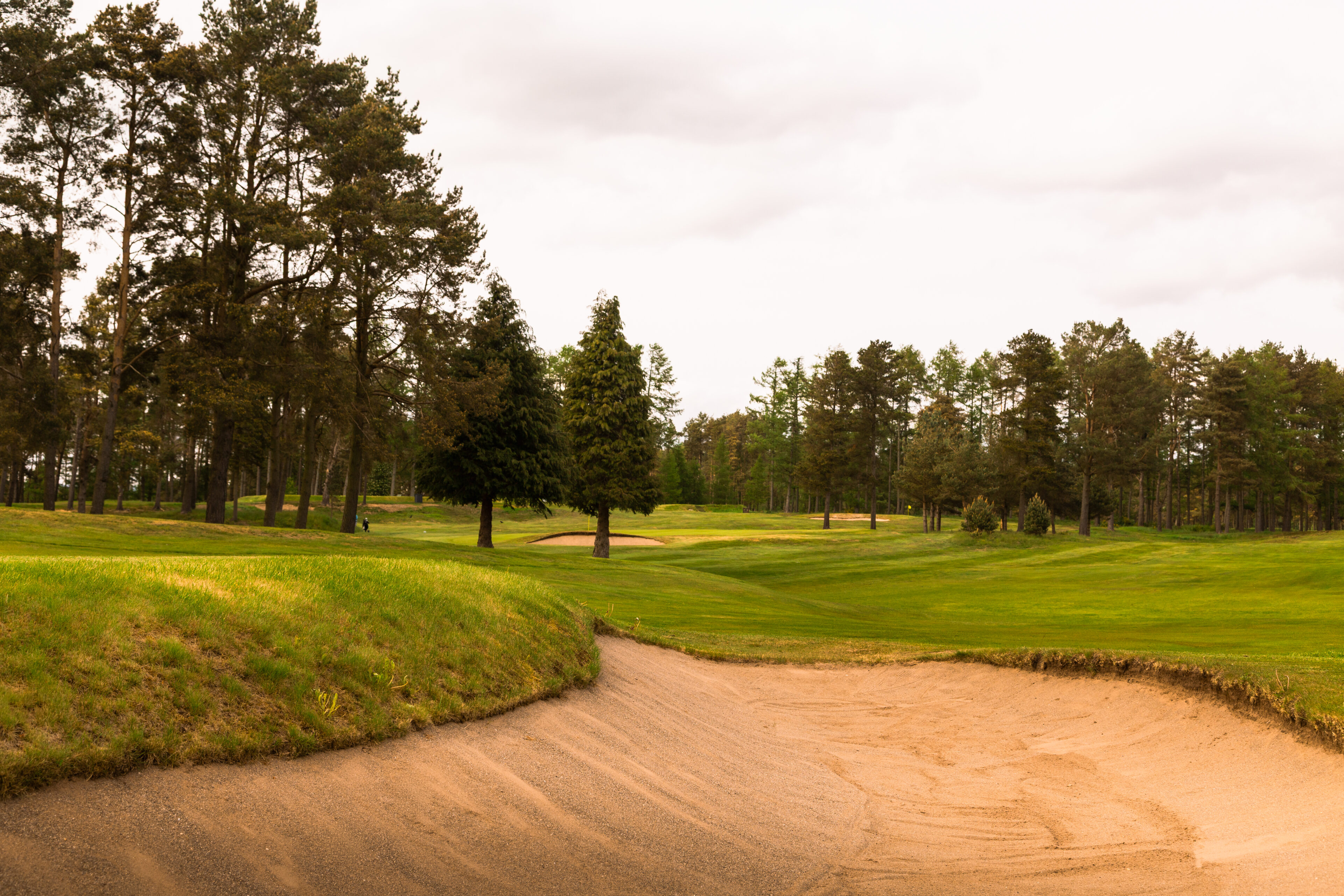
Forfar Golf Club is a course like no other, standing both as the best example of rig and furrow architecture anywhere in the world, and as the sport’s first 18-hole course at inception, two reasons which make it a must-play for any golfer up for a challenge and a stroll through history.
Forfar’s distinctive undulations are not the work of modern machinery or deliberate design, but the accidental genius of time. As far back as the 12th century, monks farmed flax here, carving gravity-defying ridges into the soil, and unwittingly shaping one of golf’s most remarkable landscapes, shaped by lies and angles that no modern architect could ever truly recreate.
The course is defined by the touch and vision of the game’s greatest architects, Old Tom Morris and James Braid. Whereas other courses were either extended or reduced to the now-standard 18 holes, Forfar was an 18-hole course right from the beginning, guided by Morris’ instinct to reveal the land’s unique character, rather than impose man’s vision upon it. Using the natural rig and furrow contours, he crafted a course of imagination, variety, and strategic brilliance that would influence every 18-hole course built thereafter. Many of Morris’ greens remain in play today, making it one of the most authentically preserved Victorian golf courses in the world.
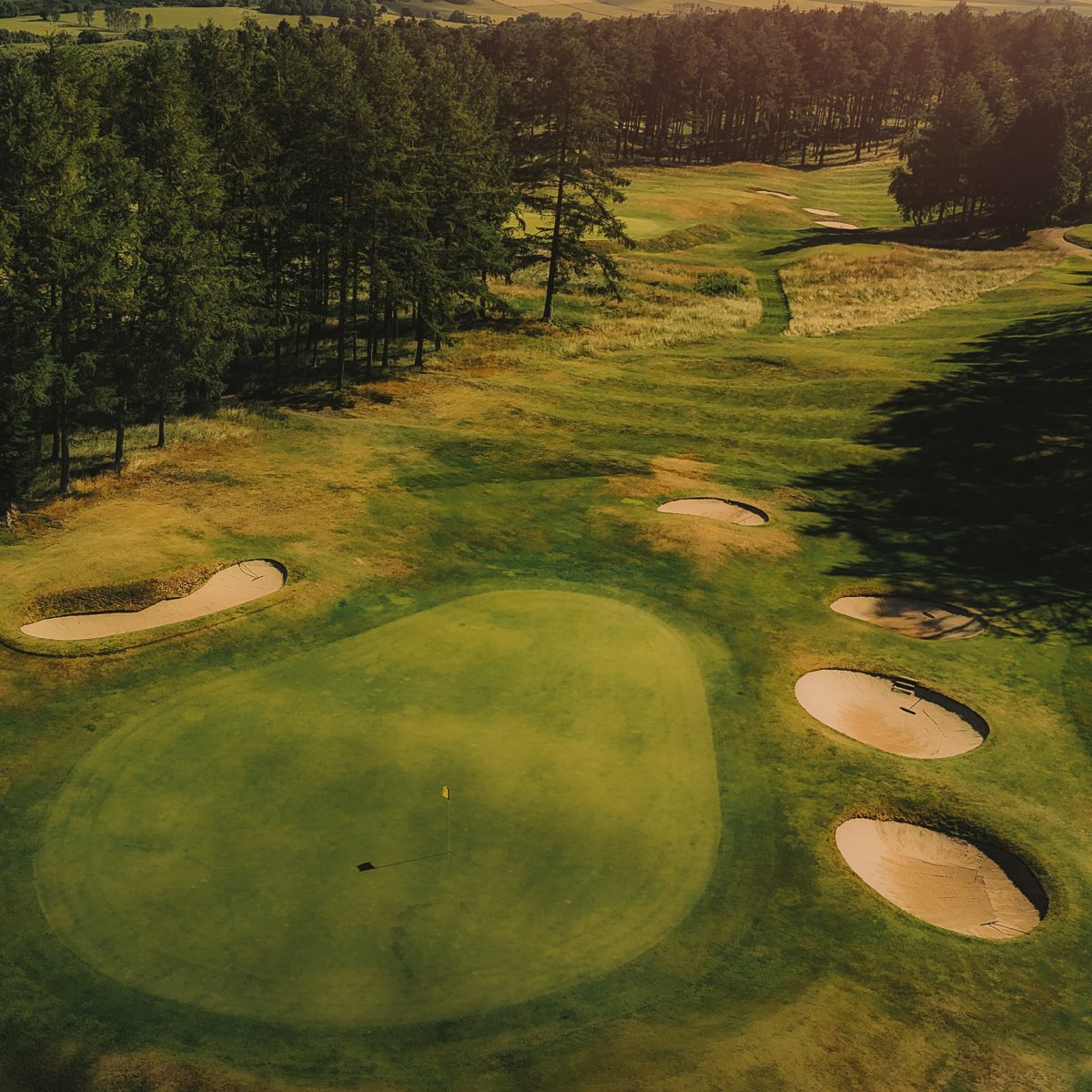
The evolution continued in 1926 when James Braid added his unmistakable touch, introducing bold, thoughtful bunkering that further sharpened the course’s challenge and accentuated its untamed character.
Today, Forfar attracts golfers seeking out a singular challenge, and a chance to take on this wild and exhilarating landscape. For visitors basing their itinerary around Carnoustie or planning a tour of Scotland’s east coast courses, Forfar is simply unmissable – a walk through golfing history, where you come face to face with Morris’ design, Braid’s enhancements, and the legacy of medieval monks.